Running Toward What Matters
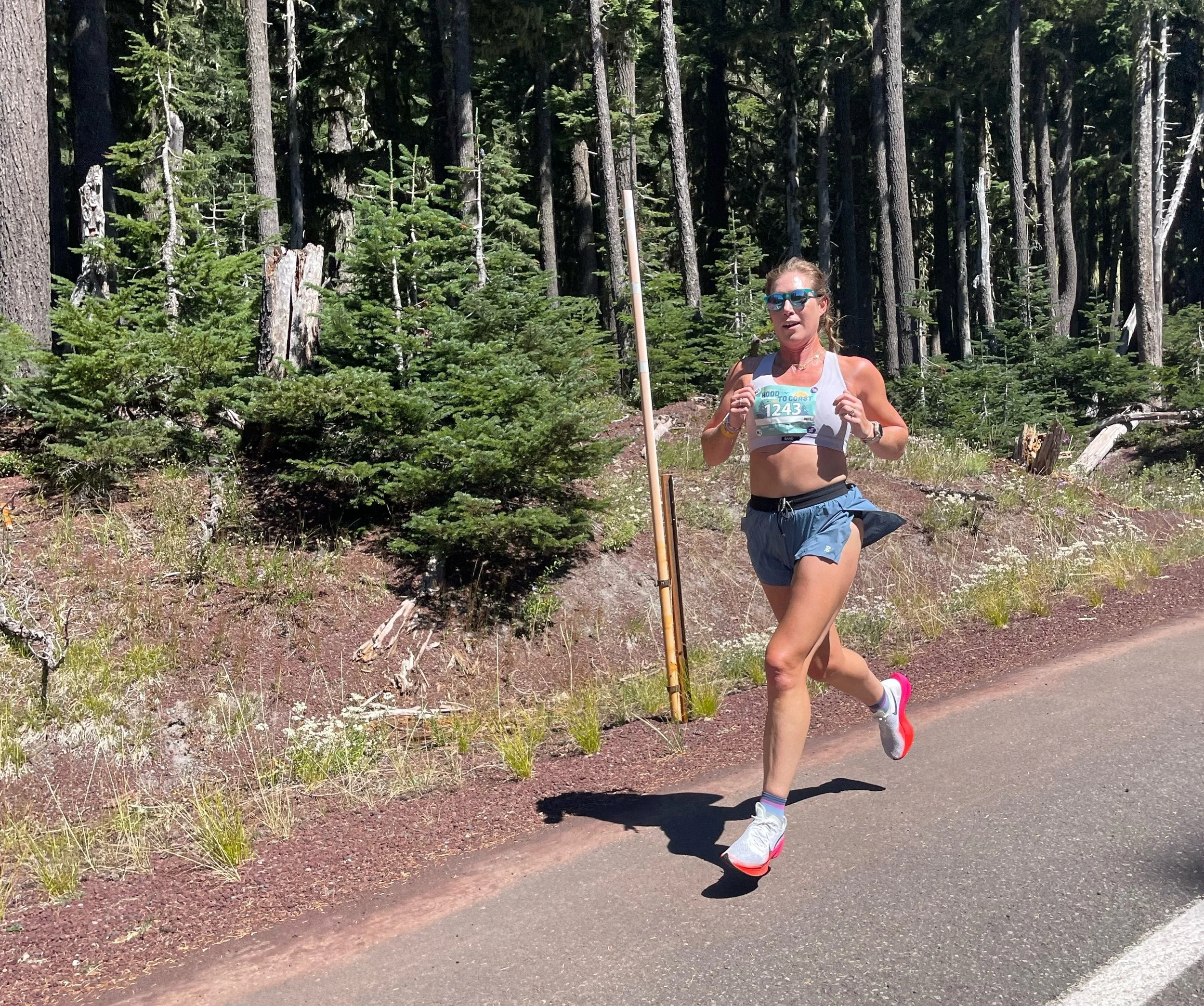
After helping build a beloved children's brand from the ground up, Lindsay McClelland is choosing a different kind of growth.
Lindsay McClelland remembers her phone buzzing during her son's soccer practice. Another Slack notification. Another decision that needed her input. She glanced up from the screen to see him looking back at her from the field, waiting for her to watch him kick the ball.
The questions he’d been asking recently echoed through her head. "Why do you work so much?”
For someone who has spent her life showing up at 100 percent, that question marked the beginning of an intentional recalibration. After five years as VP of Marketing at Little Sleepies, helping transform the brand from a cult favorite into a household name, McClelland made a decision that would have seemed impossible during her rocket-ship career trajectory: she stepped back.
"If not now, then when?" she says about the choice to leave her role this past December. "I kept thinking about that."
The Making of a Competitor
McClelland's relationship with ambition started early with swimming. She competed at the Division III level through all four years of college.
When she finished, she was burned out. It's a theme she recognizes now; the cycle of pouring everything into something until there's nothing left, then searching for what comes next. In 2010, she found running. She's completed 31 full marathons since then, running roughly two per year with a precision that speaks to both discipline and deep love for the sport.
Even pregnancy didn't stop her. She ran a full marathon at nine weeks pregnant, stopping to use the bathroom eight times, telling only one person she was pregnant in case something went wrong. When her father, also a runner, called after tracking her slower-than-usual time to ask what happened, she told him she was fine. "You're taking this really well," he said, confused by her uncharacteristic calm about missing her Boston Marathon qualifying time. Three weeks later, on Father's Day, she told him he was going to be a grandfather. His immediate response: "Wow, your marathon makes a lot more sense."
But that pregnancy brought challenges beyond bathroom breaks during races. McClelland received a cervical cancer diagnosis while pregnant: a mental weight she carried through moving to Charlotte from Florida, navigating a new city while pregnant, preparing to become a mother while not knowing what would happen next. She had surgery eight weeks after delivery. Running, for one of the few times in her life, took a backseat.
Building Brand and Baby Simultaneously
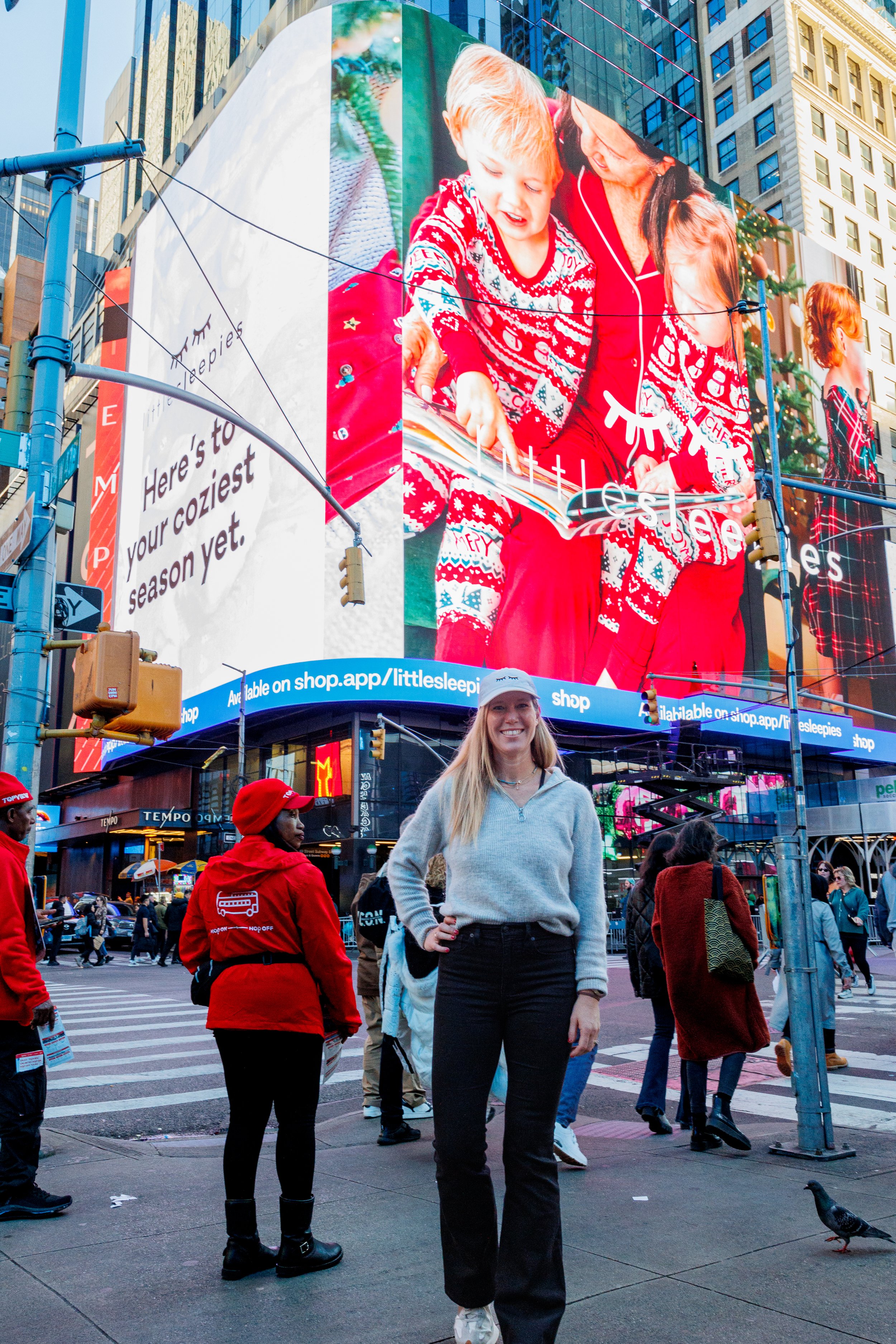
McClelland's transition to motherhood collided perfectly, or perhaps imperfectly, with a global pandemic. When she moved to Charlotte, she looked forward to the community surrounding new motherhood: prenatal yoga, mommy-and-me groups, the infrastructure of early motherhood in a city. Instead, she gave birth at the end of January 2020 and by the time she was ready to emerge from the newborn bubble in March of 2020, it all disappeared.
What emerged instead was a different kind of community. The daycare and preschool moms who all navigated those early pandemic times together. The running community she eventually found in Charlotte, which remains one of her anchors. And unexpectedly, the Little Sleepies community.
McClelland had been one of the brand's early customers, repeatedly washing the same pieces because she kept wanting to put her son back in them. When she saw the LinkedIn posting for their first marketing hire in early 2021, she reached out to founder Maradith multiple times—"maybe a little bit aggressive," she admits, "but in the right way." Her pitch was simple: I am your person.
She started on March 8, 2021, International Women's Day, a detail that felt like kismet for joining a female-founded company. Her son started daycare the same day.
What followed was the kind of all-consuming work that comes with building something from the ground up. Minimal marketing budget when she started. No marketing strategy. Just a product that was already beloved and a founder who needed someone who understood how to translate that love into brand growth.
"It was never really about clocking in or clocking out," McClelland says. "It was truly about: what do we need to get done today and how am I going to do this in the best way possible?"
Her son became part of the story. He tested products that would become fan favorites. He modeled for the brand. He joined Zoom calls with designers to weigh in on which Lightning McQueen print he preferred, focus group research directly from the target demographic. Other moms on the marketing team would have their kids pop up on video calls too, comparing their matching pajamas, building relationships across time zones.
"When I think about the things I want my son to know about me and think about when he thinks about his childhood, it's that mommy works hard, mommy cares about what she does," she says. "He had this really unique opportunity to see the tangible impact of the work I was doing translate to the clothes he would wear or the commercial he would see on TV."
The Convergence
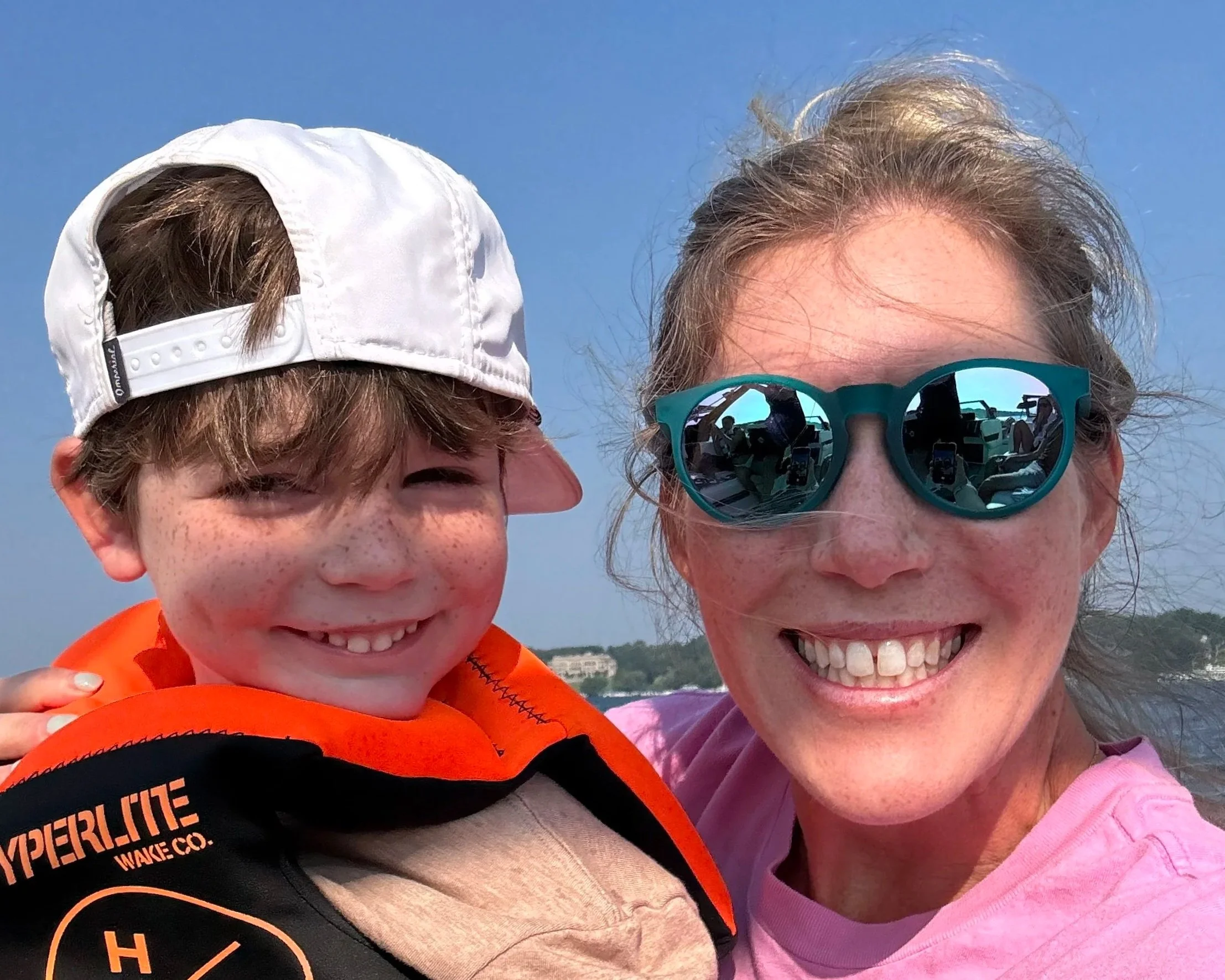
But something started shifting as her son moved from four to five, from preschool to kindergarten. The questions became more frequent. Can you put down your phone? Why do you work so much?
"That shift from daycare to kindergarten was really where I had this new awareness: this is the time he's going to really remember," McClelland says. "This is the time where I want him to be exposed to things and find what he's passionate about. If I can't be the one to expose him to those things, where is that going to come from?"
She noticed herself at soccer practice, responding to Slacks instead of watching him play. Missing swim practice drop-offs and pickups. Working during "golden hour" timeframes because her entire team was West Coast-based and the Little Sleepies headquarters had moved to LA, requiring monthly trips. Her husband travels frequently for work. They were ships in the night.
The burnout she'd felt after college swimming, the familiar pattern of giving everything until there was nothing left, was compounding with the guilt of not being present at home. Something had to give.
"When I show up for something or for someone, I want to give them 100 percent," she says. "I was doing that at work, but I wasn't necessarily doing that at home."
Setting the Pace
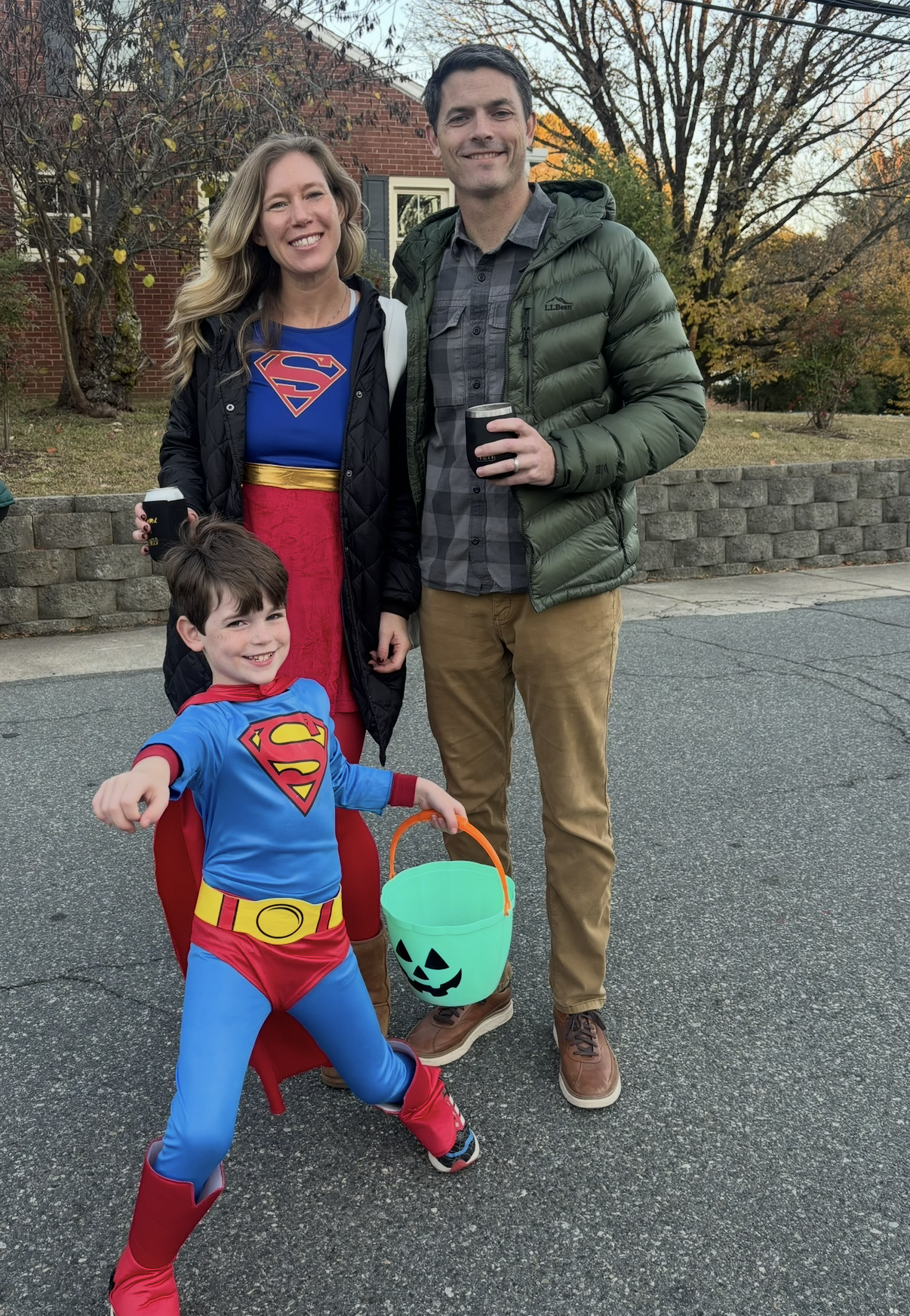
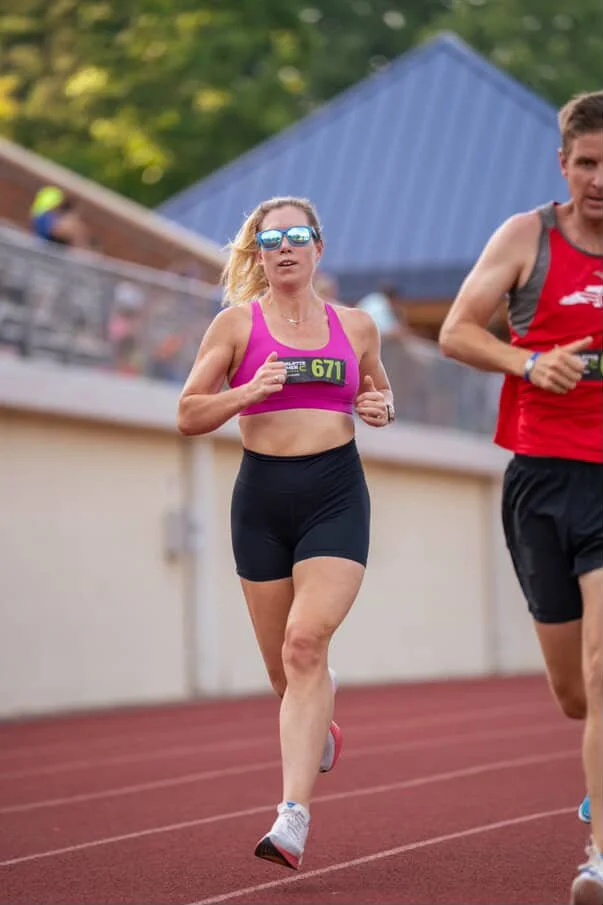
A month into her career downshift, McClelland is learning what it means to not do all the things. She’s reading, planning trips and even saying “yes” to casting calls for "The Hunting Wives”.
"I'm in this space of letting myself say yes to things, but they have to be the right things," she says. "They have to be the things that fill me up and that I'm curious about."
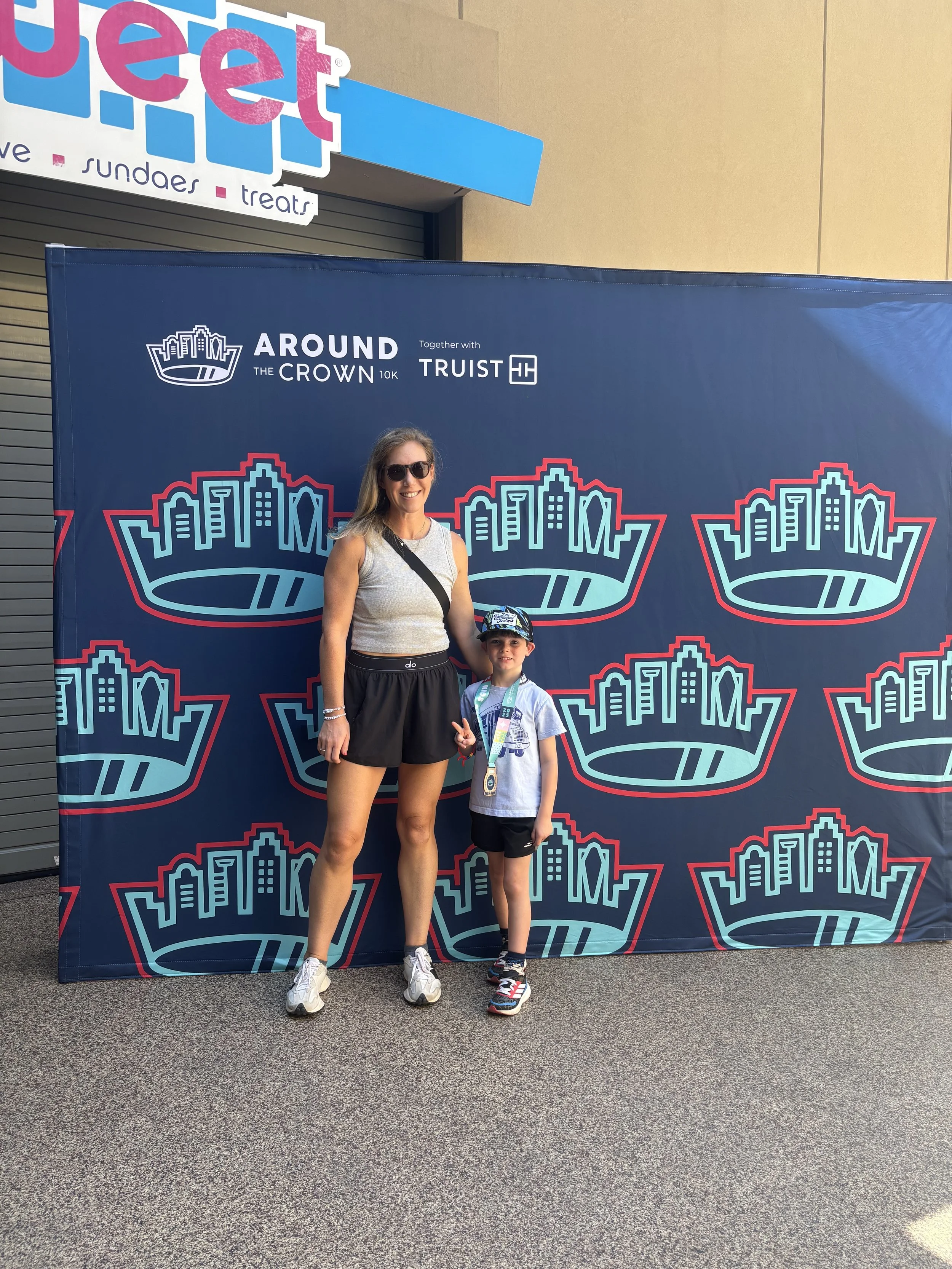
She's volunteering more. Doing things in a slower, more intentional way. Running with her six-year-old son in 5Ks, bringing him to coffee with her running friends, letting him be part of the community that grounds her.
The through line she sees now, looking back at the young girl reading in the library, the college swimmer, the marathon runner, the marketer who helped build a beloved brand, is storytelling and community. It's what made her good at building brands that let customers shape the narrative. It's what makes her value the running community in Charlotte, the mom friends from pandemic preschool days, the relationships built through shared experience.
She's eyeing the running and outdoors industry for her next chapter. But she's also giving herself three to six months to not rush the decision, to be picky, to wait for the right fit.
"I have a big drive to move into that space, but it has to be the right fit for me," she says. "I want to allow myself to be a little picky."
For now, McClelland is in between chapters, which is itself a kind of ambition—the ambition to pause, to recalibrate, to choose presence over productivity. She's still running, still showing up at 100 percent, just for different things. She's modeling for her son what it looks like to work hard, to care deeply, and also to know when it's time to shift direction.
Thirty-one marathons have taught her something about pacing, about knowing when to push and when to pull back, about the long game. This downshift isn't a finish line. It's more like the steady miles in the middle of a race, when you're conserving energy and staying focused on what's ahead, trusting that the right pace will carry you exactly where you need to go.
